
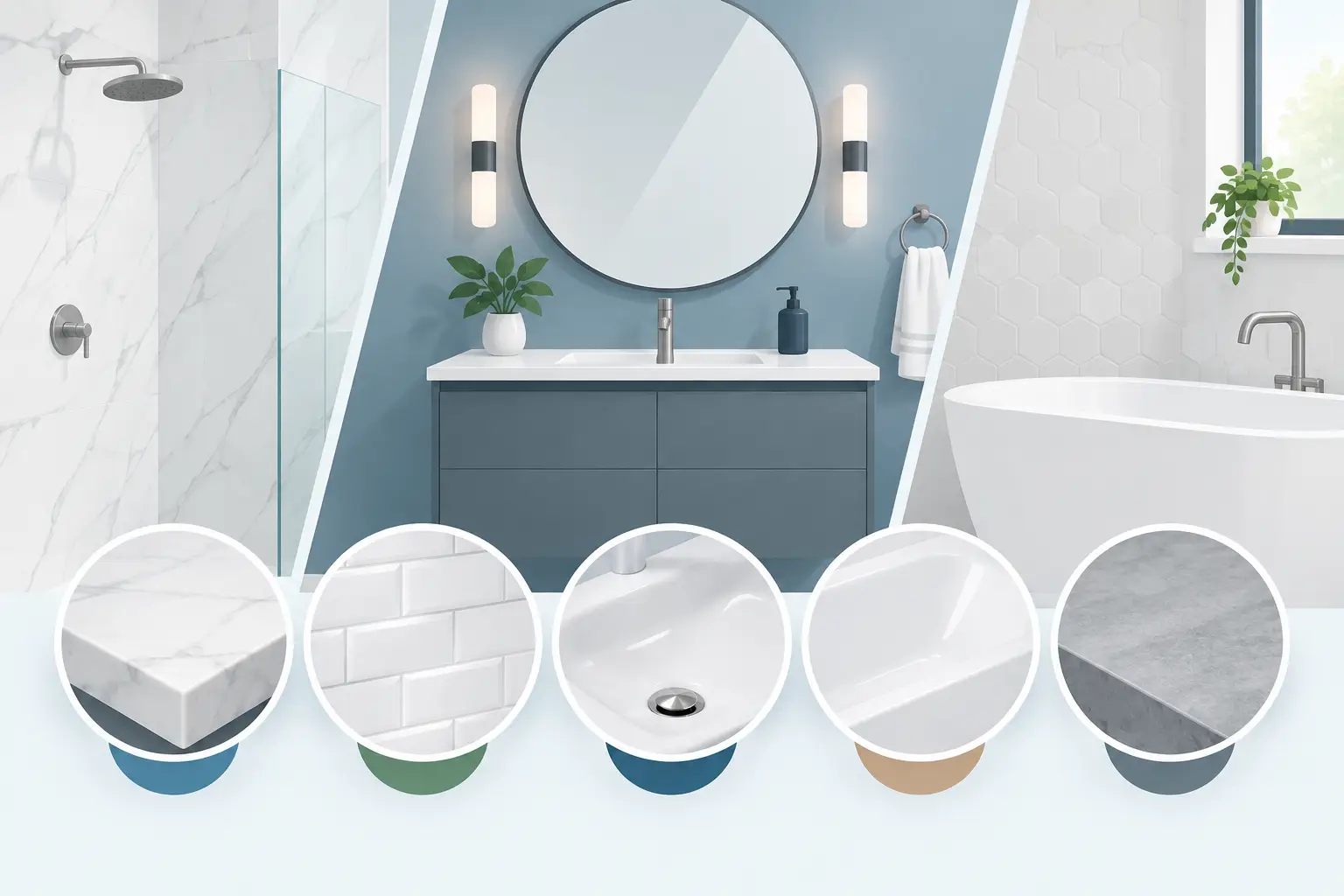
A stained bathtub can make the whole bathroom feel old, even when the rest of the room is clean. The same goes for chipped tile, a faded shower pan, or a sink with permanent-looking marks. The best bathroom surface restoration options can change that look without tearing out fixtures, opening walls, or living through weeks of remodeling.
For many Florida homeowners, restoration is the practical middle ground. You get a clean, updated surface at a fraction of replacement cost. But not every surface problem calls for the same fix. The right choice depends on the material, the damage, and what is happening underneath it.
Best Bathroom Surface Restoration Options for Your Home
Bathroom restoration usually falls into four categories: professional refinishing, targeted repair, deep cleaning and grout restoration, or full replacement. Each has a place. The goal is not to sell you more work than you need. It is to choose a fix that will hold up.
Professional bathtub and shower refinishing
Refinishing, also called reglazing or resurfacing, is often the best option for a tub, shower, sink, or tile that is structurally sound but looks worn out. The process restores the visible surface. A trained technician cleans and prepares the fixture, repairs minor damage, applies bonding materials, and sprays a durable new finish.
This is a strong choice for cast iron tubs, steel tubs, fiberglass units, cultured marble, ceramic tile, and many bathroom sinks. It works especially well when the surface is stained, dull, discolored, scratched, chipped, or stuck in an outdated color.
The biggest benefit is the transformation. A tired almond tub can become clean white. A dingy tile surround can look fresh without demolition. You keep the fixture you already have, which avoids the cost and mess of removing it.
Professional refinishing is not the same as a quick DIY coating kit. Proper prep matters. So does ventilation, repair work, product quality, and application technique. A finish that is rushed or applied over soap residue and moisture can peel early. A professionally restored surface should look smooth, feel clean, and give you years of service with normal care.
Chip, crack, and rust repair
Small damage does not always require refinishing the entire fixture. Chips around a drain, hairline cracks in fiberglass, rust spots on a steel tub, and minor surface damage can often be repaired first.
Repair makes sense when the rest of the surface is in good condition. It can stop a small problem from becoming a larger one. A chip can allow water to reach the material below the finish. Rust can spread. A crack can collect dirt and create a weak spot underfoot.
There is a trade-off. A spot repair may be the most affordable answer for isolated damage, but it may not match perfectly on an older, faded surface. If the tub or shower has widespread discoloration, scratches, or previous coating failure, repairing one area may only delay the larger restoration job.
Tile and grout restoration
Bathroom tile often looks worn because of the grout, not the tile itself. Grout absorbs moisture, soap film, and stains. In humid Florida bathrooms, it can also become a repeated maintenance headache.
A thorough tile and grout restoration can include deep cleaning, grout repair, recaulking, and refinishing the tile when the color or glaze is beyond cleaning. This is a good option when the tile layout is solid but the room looks dated or dirty.
Refinishing tile is especially useful for older wall surrounds in colors homeowners no longer want. Replacing tile usually means demolition, dust, disposal, and the risk of finding damaged drywall or plumbing behind the walls. If the tile is firmly attached and there is no water damage behind it, resurfacing can deliver a major visual improvement without turning the bathroom into a construction site.
Do not use refinishing to cover active moisture problems. Loose tile, soft walls, mold from an ongoing leak, or failing waterproofing need to be corrected first. A new coating cannot solve a problem behind the wall.
Vanity, countertop, and cabinet refinishing
The tub gets most of the attention, but an outdated vanity can pull down the entire room. Bathroom countertops, cabinets, and cultured marble vanity tops can often be restored or recolored instead of replaced.
This option works well when the cabinet boxes are solid and the countertop has stains, light scratches, or an outdated finish. A color change can make the bathroom feel coordinated with a restored tub or shower. It is also a smart choice for rental properties, guest baths, and homeowners preparing to sell.
Cabinet refinishing is not the right answer for water-swollen particleboard, broken hinges, or severe structural damage. In those cases, replacement may save money over repeated repairs. But if the structure is sound, refinishing can produce a cleaner result with far less disruption.
When Replacement Is the Better Choice
Surface restoration is cost-effective because it preserves what is already there. Still, replacement is sometimes necessary. A reputable contractor should tell you when refinishing is not the right call.
Replacement should be considered when you have:
- Major cracks, flexing, or holes in a fiberglass tub or shower
- Extensive rust that has eaten through metal
- Active leaks, soft flooring, or water damage behind walls
- Loose tile caused by failing substrate or moisture intrusion
- A fixture that no longer fits your accessibility or safety needs
For example, a homeowner who needs a walk-in tub for mobility support may need a new fixture rather than a cosmetic update. Likewise, a shower with leaking plumbing behind the wall needs plumbing repair before any surface work begins.
The good news is that many bathrooms do not have these deeper problems. They simply have old, ugly, or damaged finishes. That is where restoration delivers real value.
How to Choose the Right Restoration Option
Start with the condition of the fixture, not just its appearance. A surface that is ugly but solid is usually a good candidate for refinishing. A surface that moves, leaks, or has damage underneath needs closer inspection.
Next, think about how long you plan to stay in the home. If you want a fast, affordable update before listing the property, refinishing can make a dramatic difference without a full renovation budget. If you plan to stay for years, a professional restoration can still be a smart investment, especially when backed by a meaningful warranty.
Color matters too. White remains a popular choice because it makes a small bathroom feel brighter and works with future décor changes. But color change is also useful when you want to update a dated tub, tile surround, or vanity without replacing it.
Finally, ask what the finished surface will require. Restored fixtures need reasonable care. Use nonabrasive cleaners. Avoid harsh chemicals, abrasive pads, and suction-cup bath mats that can damage a refinished surface. Good maintenance protects the finish and keeps the bathroom looking new longer.
What to Expect From Professional Refinishing
A quality restoration job begins before any coating is applied. The surface must be cleaned, repaired, and prepared correctly. Skipping that work is one of the main reasons cheap refinishing jobs fail.
The technician should protect surrounding areas, address chips and cracks, and apply the finish carefully for an even appearance. You should also receive clear instructions on curing time and cleaning. A good contractor does not disappear after the job is done. They stand behind the work if something needs attention.
At The Tub Guy, that commitment includes a five-year warranty and a promise to make the finished result right. That matters because bathroom restoration is not just about making a fixture look better for one day. It is about getting a finish you can rely on.
A full remodel has its place, but it is not the only way to get a bathroom you are happy to use. If the fixtures are sound, restoration can be the faster, cleaner path to a bathroom that looks cared for again. Start with an honest assessment of the surface, fix any underlying moisture issues, and choose the option that gives you lasting value without unnecessary demolition.