
Table of Contents
- Walk-In Tub Conversion: The Core Question
- Walk-In Tub Pros and Cons
- Walk-In Tub Conversion Cost Breakdown
- Walk-In Tub vs Walk-In Shower: Which Fits Your Bathroom
- Walk-In Tub Conversion Kit as a Middle-Ground Option
- Safety, Accessibility, and Long-Term Home Use
- Making Your Decision: Is Conversion Right for You?
- Frequently Asked Questions
Last Updated: October 5, 2026
Walk-In Tub Conversion: The Core Question
Is a walk-in tub conversion worth it? It depends on your situation, budget, and long-term home plans. At The Tub Guy, we’ve helped countless homeowners evaluate this decision, and the truth is nuanced.
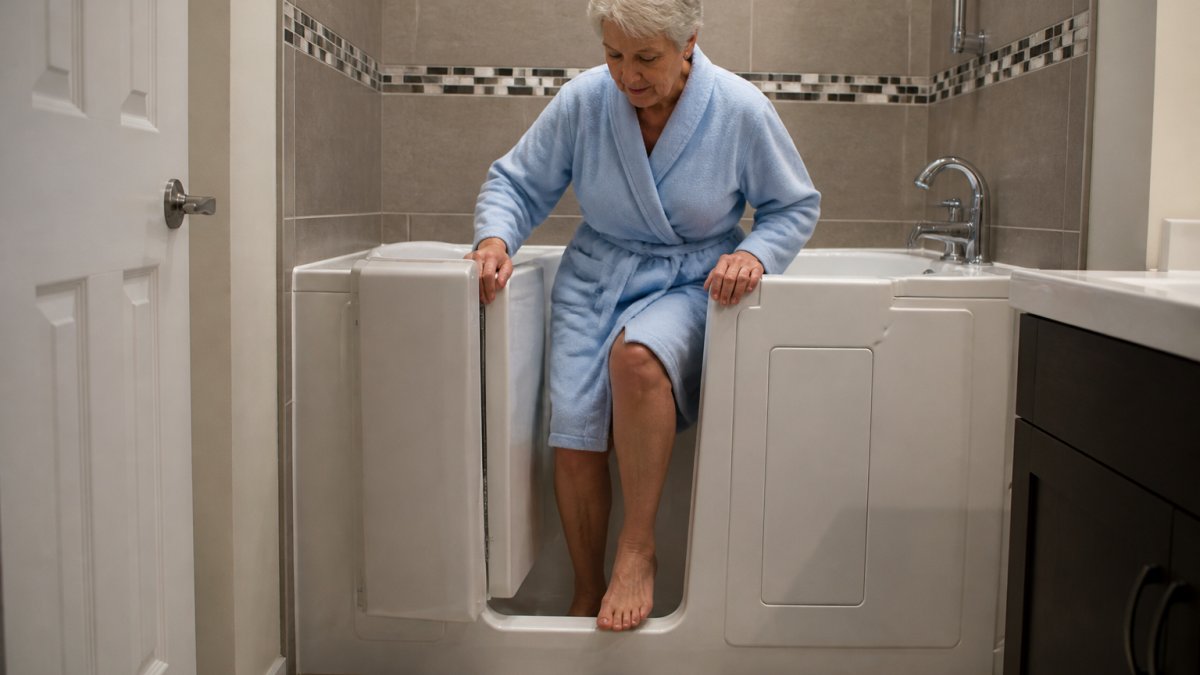
A walk-in tub conversion modifies your existing bathtub by cutting a door into the side, allowing easier entry without stepping over a high rim. This differs from a full walk-in tub replacement or a tub-to-shower conversion. Understanding these distinctions is crucial before deciding.
The core question isn’t whether walk-in tubs are good, they solve real problems for people with mobility challenges. It’s whether conversion, replacement, or an alternative like a walk-in shower makes more sense for your needs and budget.
Walk-In Tub Pros and Cons
Walk-in tubs offer genuine advantages for aging in place. The low threshold entry eliminates the dangerous step-over height that causes falls. Built-in grab bars and a seat provide stability, the door seal creates a watertight barrier, and many models include non-slip flooring.
However, walk-in tubs come with real limitations most guides skip. Fill time is significantly longer than traditional tubs, sometimes 10-15 minutes to reach soaking depth, and drain time can be equally slow. Water temperature drops during the extended fill, and some people find the smaller interior uncomfortable.
The door mechanism is also a maintenance consideration. Seals wear over time, and if one fails, water damage becomes a real risk.
| Aspect | Pros | Cons |
|---|---|---|
| Entry | Low threshold, no step-over | Door mechanism adds complexity |
| Safety | Grab bars, non-slip surface | Requires maintenance |
| Comfort | Built-in seat | Smaller interior space |
| Bathing | Soaking option available | Slow fill and drain times |
| Accessibility | Ideal for limited mobility | Not suitable for all disabilities |
Walk-In Tub Conversion Cost Breakdown
Cost is where most homeowners get stuck, and where most guides stay vague. Pricing depends on the specific services, materials, and the condition of your bathroom. Treat these ranges as planning figures, not quotes. For a precise estimate, it’s best to request a free estimate from The Tub Guy.
DIY tub-cut kits exist, but cutting into a tub shell compromises its structural integrity. A bad cut, a poorly sealed door, or a missed waterproofing step can cause hidden water damage that costs more to fix than the original project. Professional installation is the safer path.
The cheapest sticker price is rarely the cheapest project. Add the water-heater line item, the waterproofing line item, and the electrical line item before you compare quotes, those three are where budgets quietly blow up.
The real cost comparison isn’t the conversion itself, it’s total cost of ownership over 10 years. A cheaper installation that requires frequent seal replacements or water-damage repairs becomes expensive quickly.
Walk-In Tub vs Walk-In Shower: Which Fits Your Bathroom
Most guides frame this as a two-way choice. In practice, homeowners choose among three options, and the third, a tub-cut conversion kit, is most often left out. Here’s a side-by-side of all three.
| Factor | Tub-cut conversion kit | Full walk-in tub | Walk-in shower |
|---|---|---|---|
| What it is | Door cut into your existing tub | New walk-in tub fixture | Tub removed, shower pan and glass installed |
| Typical all-in cost | $2,000-$6,000 | $4,000-$15,000+ | $5,000-$18,000+ |
| Installation time | 1-2 days | 1-3 days | 3-7 days |
| Step-over height | Low (door threshold) | Low (door threshold) | Low (curbless or low curb) |
| Soaking | Yes, in your existing tub | Yes | No |
| Fill and drain time | Same as your current tub | Long (often 10-15 min to fill) | Instant |
| Water temperature stability | Stable | Drops during long fill | Stable |
| Space required | Same footprint as existing tub | Same or larger footprint | Can fit existing tub footprint |
| Wheelchair access | No | No | Yes, if curbless |
| Resale impact | Neutral to slightly negative | Often seen as niche | Generally positive |
| Maintenance | Door seal, existing tub surface | Door seal, jets, surface | Grout, glass, drain |
When a tub-cut conversion kit wins
- Your existing tub is structurally sound and you want to keep soaking.
- You want the lowest-cost path to a low-threshold entry.
- You’re staying in the home and resale isn’t a near-term concern.
- Your bathroom layout can’t accommodate a shower conversion without moving plumbing.
When a full walk-in tub wins
- Your existing tub is cracked, flexing, or near end of life.
- You want built-in features like a heated seat, jets, or a built-in grab bar system.
- You want a warranty on the whole fixture, not just the door.
When a walk-in shower wins
- You primarily shower and rarely soak.
- Someone in the household uses a wheelchair or a shower chair.
- You want the strongest resale story, since most buyers prefer showers.
- You want the fastest drain and the most stable water temperature.
The question most guides skip: do you still need a bathtub in the home?
If you convert your only tub into a shower, you remove the home’s only bathtub. That matters for families with young children, buyers with pets, and resale in markets where a tub is expected in at least one bathroom. A tub-cut conversion kit or a walk-in tub preserves a bathing option; a shower conversion does not. With a second bathroom tub, this concern disappears.
Before choosing, measure three things: the existing tub’s interior depth and width, the door swing clearance, and the distance from the tub to the nearest water heater. Those three numbers eliminate most of the options on their own.
The right question isn’t “tub or shower.” It’s “which of the three options, conversion kit, full walk-in tub, or shower, matches my bathing habits, my mobility needs, my bathroom footprint, and my timeline in this home.” Answer those four and the choice usually makes itself.
Many bathrooms don’t have room for a full walk-in tub without significant renovation. A walk-in shower often fits the existing tub footprint with fewer structural changes, and a conversion kit fits by definition. Factor in your actual bathing habits, not what sounds nice in theory.
Walk-In Tub Conversion Kit as a Middle-Ground Option
A conversion kit cuts a door into your existing tub, costing significantly less than a full replacement while preserving your current tub and adding accessibility.
The advantage: lower cost and less disruption. You keep your existing tub’s size and comfort while gaining low-threshold entry, with installation typically taking 1-2 days rather than a full renovation.
The limitation: you’re adding a door mechanism to an older tub. If your tub has cracks, deep discoloration, or surface damage, a conversion kit doesn’t fix those problems, it adds a door on top of them, and the underlying tub still deteriorates.
This is where The Tub Guy’s refinishing service becomes relevant. If your tub has cosmetic damage, discoloration, minor chips, or worn surface, professional refinishing restores it to like-new condition before or instead of a conversion. A refinished tub paired with a conversion kit gives you both accessibility and a fresh-looking fixture, often at lower total cost than replacement.
Safety, Accessibility, and Long-Term Home Use
Walk-in tub conversions directly address fall risk, the leading cause of injury among older adults at home. The low threshold eliminates the dangerous step-over, and grab bars provide stability, critical for someone with arthritis, balance issues, or mobility limitations.
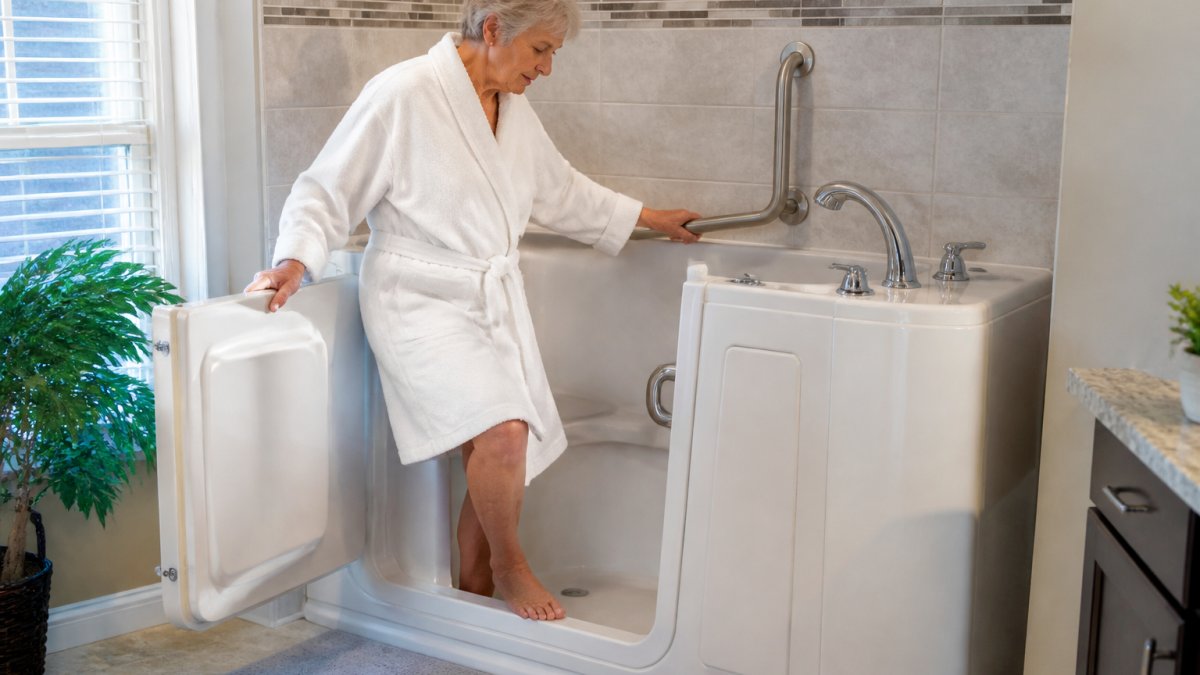
However, accessibility needs vary. Someone in a wheelchair may need a roll-in shower, and someone with severe arthritis might prefer a shower chair over the complexity of a tub door. A walk-in tub works well for people with balance issues or limited mobility who still want to bathe rather than shower.
The long-term perspective matters. If you plan to age in place, accessibility upgrades are investments in staying home longer. But if you’re likely to move in 5-10 years, the ROI changes significantly, a walk-in tub doesn’t increase resale value proportionally to its cost, and many buyers see it as a niche feature.
Making Your Decision: Is Conversion Right for You?
Ask yourself: Do you bathe or shower? If you primarily shower, a walk-in shower is likely better. How long will you stay in your home? If less than 5 years, resale matters. Do you have existing tub damage? If yes, refinishing before conversion extends the life of your investment.
Consider your actual mobility needs. A walk-in tub helps with balance and step-over height, but not with wheelchair access or an inability to bend to sit in a tub. Match the solution to your specific limitation, not a generic “accessibility upgrade.”
Budget matters. A walk-in tub conversion costs significantly more than you might initially think, but a refinished tub with a conversion kit or walk-in shower modification often delivers better value. The Tub Guy can help you evaluate whether your existing tub is worth refinishing before investing in more expensive modifications.
Get a professional assessment of your tub’s condition and bathroom space. Some conversions look good on paper but don’t fit your layout; others make sense only after addressing underlying surface damage first.
The decision to pursue a walk-in tub conversion isn’t about whether walk-in tubs are good, they solve real accessibility problems. It’s about whether conversion is the best solution for your situation, budget, and home. The Tub Guy specializes in helping homeowners decide by assessing existing fixtures, evaluating your needs, and recommending the most cost-effective path forward, whether that’s refinishing your current tub, adding a conversion kit, or exploring alternatives like a walk-in shower. Request a free estimate to discuss your bathroom’s specific needs and get a clear picture of your options.
Frequently Asked Questions
Is a walk-in tub conversion worth the cost?
Whether walk-in tub conversion is worth it depends on your mobility needs, budget, and long-term plans. For individuals with limited mobility or balance concerns, the safety benefits and reduced fall risk make it valuable. However, if you’re primarily motivated by resale value, the return on investment is modest. Conversion kits and refinishing services can be more budget-friendly alternatives if cost is your main concern. Request a free estimate to compare your specific options.
What are the main disadvantages of a walk-in tub?
Walk-in tubs have a longer fill and drain time, sometimes 10-15 minutes each, which uses more water and energy. The upfront installation cost can be substantial. They also take up significant bathroom space, limiting layout flexibility. Some users find the wait time inconvenient for daily bathing. Additionally, the door seal requires maintenance to prevent leaks, and the impact on resale value can vary, making it a personal investment rather than a guaranteed home value multiplier.
How long does a walk-in tub conversion take to install?
Professional walk-in tub installation typically takes 1-3 days, depending on plumbing modifications and bathroom layout. Full tub-to-shower conversions may take longer if structural changes are needed. Conversion kits are faster, often completed in a single day. During installation, your bathroom will be unavailable. The Tub Guy can provide a timeline estimate based on your specific project during a free consultation.
Is a walk-in tub or walk-in shower better for aging in place?
Both support aging in place, but serve different needs. Walk-in tubs offer seated bathing, which some find safer and more comfortable, with built-in seats and handheld showerheads. Walk-in showers are faster, use less water, and take up less space, making them easier to navigate. Walk-in showers are generally better for those with limited mobility who prefer quick access, while walk-in tubs suit those who enjoy soaking and want maximum safety features. Your choice depends on daily bathing habits and available bathroom space.