A shower can look worn out long before it is ready to be replaced. Stains that will not scrub away, faded color, chipped areas, and dull tile can make the whole bathroom feel neglected. This shower coating guide explains what a quality coating does, when it is a smart choice, and what separates a lasting professional result from a short-lived fix.
For many Florida homeowners, refinishing is the practical middle ground between living with an ugly shower and tearing out a bathroom. It refreshes the surface without the dust, demolition, plumbing work, and expense that come with replacement.
What Is a Shower Coating?
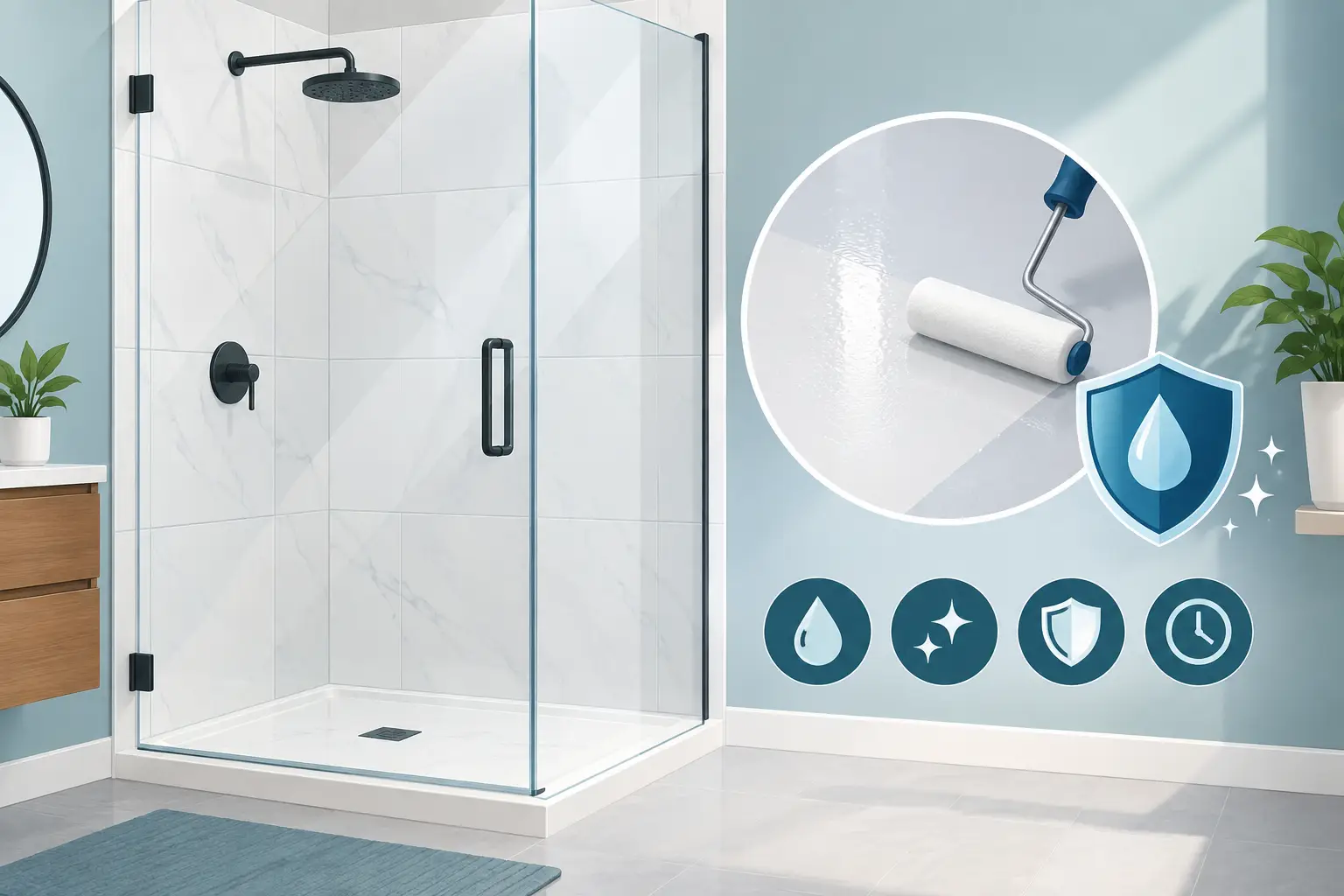
A shower coating is a professional-grade finish applied over an existing shower surface. Depending on the job, that surface may be fiberglass, porcelain, ceramic tile, cultured marble, or another durable bathroom material. The goal is to cover discoloration, wear, light surface damage, and outdated color with a smooth new finish.
This is not the same as painting a shower wall with a can from the hardware store. A professional refinishing system depends on thorough cleaning, surface repair, proper bonding, controlled application, and curing time. Skip any of those steps, and the coating may peel, chip, or lose its shine early.
A properly coated shower can look clean, bright, and updated at a fraction of the cost of replacement. It can also give a dated almond, pink, blue, or yellow shower a more current color without opening walls or replacing tile.
When Shower Refinishing Makes Sense
Coating works best when the shower is structurally sound but looks rough. Common reasons homeowners choose refinishing include stubborn stains, worn fiberglass, faded tile, small chips, cracked-looking glaze, rust stains around fixtures, and an outdated color that brings down the room.
It is also a good option when you need a better bathroom without a long renovation. Replacing a shower can involve demolition, hauling debris, tile installation, plumbing changes, and several trades. A refinishing project avoids much of that disruption.
The savings can be significant, but cost should not be the only factor. Refinishing preserves a sound existing fixture. If the shower has major water damage behind the walls, loose tile, active mold, a failing pan, or large structural cracks, coating will not solve the real problem. Those issues need repair first.
A quick way to judge your shower
Look past the surface. If the shower feels solid underfoot, the walls are stable, and the damage is mainly cosmetic or limited to the finish, refinishing may be a strong fit. If tiles are loose, grout is failing throughout, or water is getting into the wall system, replacement or repair may be the safer route.
An experienced refinisher should be direct about this. A coating is meant to restore a surface that still has good bones. It should never be used to hide a serious moisture problem.
The Prep Work Makes the Difference
The finished color gets attention. The preparation is what determines whether it stays looking good.
A professional starts by removing soap scum, body oils, hard-water buildup, and old caulk. In Pinellas County and across the St. Petersburg area, mineral deposits and years of moisture can leave more on a shower surface than most homeowners realize. Coating over contamination creates a weak bond.
Next comes repair work. Small chips, scratches, worn areas, and minor cracks may be filled and smoothed. The surface is then prepared so the new coating can grip correctly. Fixtures, drains, glass, floors, and nearby walls are carefully masked to keep the work contained.
The coating is applied in even layers with the right equipment and ventilation. After application, it needs time to cure. The shower may look finished quickly, but curing is part of the job. Using it too soon can mark the surface or weaken the finish.
That is why a bargain job can become expensive. If a contractor rushes prep, uses low-grade materials, or does not control overspray and dust, the shower may look acceptable on day one and fail soon after.
Shower Coating Guide: Choosing the Right Finish
Most homeowners want a clean white shower because it is bright, classic, and easy to match with other bathroom features. White is a dependable choice, especially if you plan to sell or rent the home later. But it is not the only option.
Color change is one of the biggest benefits of refinishing. A dated fixture can often be updated without removing it. The best choice depends on the rest of your bathroom, how much natural light the room gets, and how much maintenance you want to see.
A high-gloss finish reflects light and can make a smaller shower feel brighter. It also shows water spots and soap residue more easily. A softer sheen can hide minor spotting better, though it may not deliver the same polished look. There is no single right answer. The practical choice is one that fits your bathroom and cleaning habits.
Texture matters too. Shower floors need safe footing. If the floor feels slick, ask about a slip-resistant texture. It can improve traction while still keeping the floor easy to clean. This is especially worth discussing for walk-in showers and homes where aging in place is a concern.
What to Expect During a Professional Job
A refinishing crew should explain the process before work begins. You should know what areas will be coated, whether repairs are included, how the room will be protected, and when you can safely use the shower again.
The bathroom will need ventilation during application and cure time. There may be an odor while the coating is being applied, so plan to stay out of the work area. A professional will contain the space, protect surrounding finishes, and give you clear instructions before leaving.
Do not judge the project only by how fast it is completed. A fast turnaround is helpful, but careful masking, repair, application, and curing are more important. The right job leaves you with an even finish, clean edges, and a surface that feels smooth and solid.
Warranty coverage also matters. Ask what the warranty covers and what maintenance is required to keep it valid. A company that stands behind its work should be willing to correct workmanship issues, not disappear after payment.
How to Care for a Coated Shower
A new coating is durable, but it is not indestructible. Simple care protects the finish and helps it stay glossy longer.
Use a non-abrasive liquid cleaner and a soft sponge or cloth. Rinse away soap after use when possible, especially if your water leaves mineral spots. Avoid scouring powders, steel wool, harsh scrub pads, and strong solvent-based cleaners. Those products can dull or scratch the surface.
Do not use suction-cup bath mats on a coated shower floor unless your refinishing professional approves them. The cups can pull on the finish over time. A non-slip mat designed to sit loosely on the surface is often a safer option.
Keep the caulk in good shape around the shower edges, fixtures, and doors. Caulk does more than make the shower look finished. It helps keep water where it belongs. If caulk pulls away, cracks, or shows signs of mildew that will not clean off, have it addressed before water works behind the surface.
Be careful with dropped bottles, metal shower caddies, and sharp objects. One impact may not cause damage, but repeated hits can chip any finished surface. If a chip does happen, repair it promptly. Small repairs are easier and less noticeable than waiting until water and wear make the spot worse.
Why Professional Refinishing Is Worth It
DIY coating kits have a place for very temporary touch-ups, but they are rarely the same as a professional shower refinishing system. The materials are different, the application tools are limited, and most homeowners cannot duplicate the preparation or ventilation used by trained technicians.
The trade-off is simple. A DIY kit may cost less upfront, but a failed coating can mean stripping, repairing, and refinishing the shower again. Professional work costs more than a kit, yet it is built for homeowners who want a finished result that holds up to daily use.
The Tub Guy approaches shower coating as a restoration job, not a quick cover-up. That means evaluating the surface, completing needed repairs, applying a durable finish, and standing behind the workmanship with a five-year warranty.
A worn shower does not always need to become a full remodeling project. If the structure is sound, the right coating can give you a cleaner, brighter bathroom with less cost and less disruption. Start with an honest assessment of the shower you have, then choose the repair path that will still make sense years from now.