
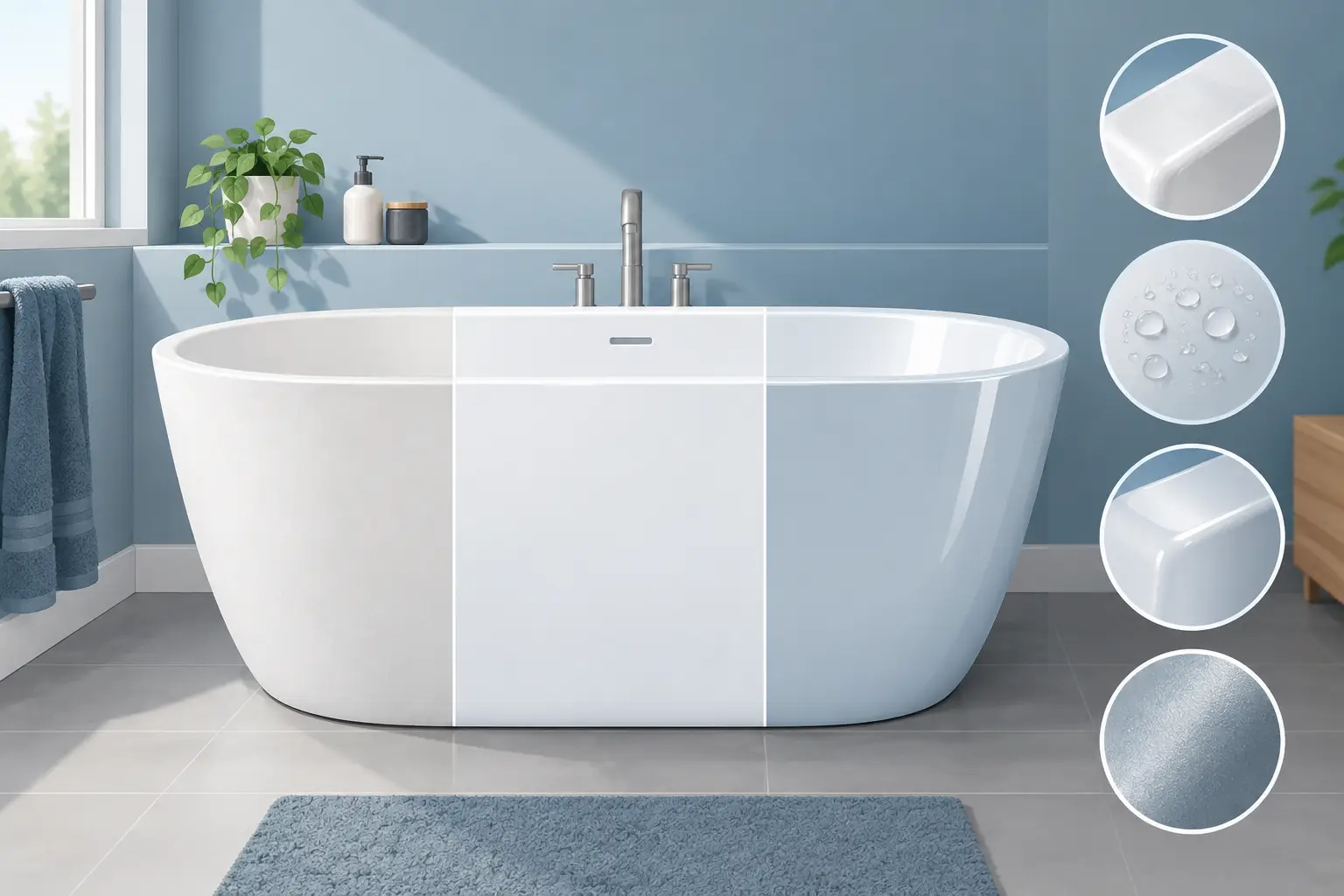
A bathtub can look beyond saving when the finish is chipped, stained, dull, or impossible to scrub clean. Replacement is not the only answer. The right durable bathtub coating options can restore the surface, change the color, and give your bathroom a clean new look without tearing out the tub.
The key is choosing more than a coating name. Long-lasting results come from the product, the preparation work, the application method, and the way the tub is cared for after the job. A cheap coating applied over soap scum, old caulk, or rust will not stay put for long. A professionally refinished tub can give you years of dependable use when the work is done right.
What Makes a Bathtub Coating Durable?
Durability starts before the first coat goes on. A bathtub surface must be cleaned, repaired, sanded, and prepared so the new finish has something solid to bond to. Chips need repair. Rust needs treatment. Old silicone and failing caulk need removal. Skipping any of these steps creates weak spots where moisture can work under the finish.
The coating also has to handle real bathroom use. That means standing up to water, soap, body oils, cleaners, changing temperatures, and everyday contact. A good finish should cure hard, hold its gloss, and resist staining without feeling rough or painted on.
There is no single coating that is best for every situation. The condition of the tub, the material underneath, your budget, and how long you plan to stay in the home all matter. Still, some options consistently perform better than others.
Durable Bathtub Coating Options Compared
Epoxy coatings
Epoxy is known for strong adhesion. It can bond well to properly prepared porcelain, fiberglass, cast iron, and steel tubs. That makes it a common choice in refinishing systems and repair work.
The trade-off is that epoxy can become less flexible as it cures. A tub expands and contracts slightly with temperature changes, especially in Florida’s heat and humidity. Lower-grade epoxy products may also yellow over time or lose their shine faster than higher-quality topcoats.
Epoxy can be a solid part of a professional refinishing system, particularly as a primer or repair material. On its own, it is not always the best final finish for homeowners who want a bright, glossy surface that holds up for years.
Acrylic coatings
Acrylic coatings are often found in do-it-yourself bathtub refinishing kits. They are easy to find, generally lower in cost, and simpler for a homeowner to apply than industrial-grade products.
That convenience comes with a limit. Many acrylic finishes are thinner and softer than professional coatings. They can scratch, peel, or wear down early if the tub was not fully prepared or if harsh cleaners are used. They may work as a temporary cosmetic fix for a lightly worn tub, but they are rarely the best answer for a heavily used main bathroom.
If you are trying to buy time before a larger remodel, an acrylic kit may make sense. If you want the finish to last, professional application is usually the better value.
Urethane and acrylic urethane coatings
For a durable refinished bathtub, urethane-based topcoats are often the strongest choice. These coatings are made to cure into a hard, smooth surface with good gloss retention. They also offer more flexibility than basic epoxy, which helps them handle normal movement and temperature changes.
Acrylic urethane finishes are commonly used in professional refinishing because they balance appearance and toughness. When sprayed correctly over a properly prepared surface, they can make an older tub look remarkably close to new. They are also available in colors beyond standard white, so you can update an outdated beige, pink, or blue tub without replacing it.
This is not a product to brush on over a weekend. Professional urethane systems require careful surface prep, controlled application, proper ventilation, and curing time. The labor is more involved, but the result is a finish built for daily use rather than a quick cover-up.
Multi-coat professional refinishing systems
The most dependable option is usually not one coating at all. It is a complete refinishing system. That system may include an adhesion promoter or bonding primer, repair materials for chips and worn areas, a durable topcoat, and fresh caulk once the coating has cured.
Each layer has a job. The prep and primer create adhesion. Repairs level damaged areas. The topcoat provides the color, gloss, and protective surface you see every day. This is why a professional tub reglazing job can perform very differently from a store-bought kit, even when both are labeled as bathtub paint.
At The Tub Guy, the focus is on surface preparation and a finish that is made to last. A five-year warranty also gives homeowners added peace of mind. If something is not right, it should be corrected, not ignored.
Coating Type Matters, but Prep Matters More
Homeowners often ask which product lasts the longest. The honest answer is that even the best coating will fail when prep work is rushed. Peeling usually starts because the original surface had contamination, moisture, loose material, or poor adhesion underneath the new finish.
A proper refinishing process begins with a close inspection. The technician looks for chips, cracks, rust, soft spots, drainage issues, and previous coatings. The tub is then cleaned and mechanically prepared. Repairs are made before the finish is applied, not hidden underneath it.
This is especially important with old fiberglass tubs. Fiberglass can flex, and hairline cracks may indicate more than surface damage. A coating can improve the appearance of a sound fiberglass tub, but it cannot fix a tub that is structurally failing. In that case, repair or replacement may be the smarter move.
How Long Should a Refinished Tub Last?
A professionally refinished bathtub can last many years with normal residential use and proper care. The exact lifespan depends on the tub material, the quality of the original preparation, bathroom ventilation, and how the surface is cleaned.
A guest bathroom tub may see very little wear and stay in great shape for a long time. A family bathroom used by kids, pets, and multiple adults will take more abuse. That does not mean refinishing is a poor choice. It means the coating needs to be professional-grade and the maintenance instructions need to be followed.
Replacement has its own costs and risks. Removing a cast-iron tub can require demolition, plumbing work, floor repair, new tile, and paint. Refinishing lets you keep a solid existing fixture and improve the room for a fraction of that disruption.
Protecting Your New Bathtub Finish
Once the coating has fully cured, care is simple. Use a non-abrasive liquid cleaner or mild dish soap with a soft sponge or cloth. Rinse away soap residue after cleaning and keep the bathroom ventilated to reduce moisture buildup.
Avoid gritty powders, scouring pads, steel wool, and strong chemical cleaners. These can dull the gloss and slowly wear through the finish. Bath mats with suction cups should also be avoided because they can trap water against the surface and create pressure points. If you need traction, use a non-slip mat that can be removed after each use.
Fix dripping faucets and plumbing leaks quickly. Water sitting in one spot for long periods is hard on any finish. Also avoid leaving bottles, metal cans, or sharp objects on the tub ledge where they can scratch the surface.
When Refinishing Is the Right Choice
Refinishing makes sense when the tub is solid but looks worn out. Stains, discoloration, minor chips, dullness, faded color, and surface scratches are all common problems that a durable coating can address. It is also a practical option when you want to update the bathroom without opening walls or replacing tile.
It may not be the right choice if the tub has major structural cracks, severe corrosion that has eaten through the metal, or ongoing plumbing leaks behind the wall. A reliable refinishing contractor should tell you that upfront. The goal is a result that lasts, not a finish that hides a bigger problem for a few months.
A worn bathtub does not have to force a full remodel. Choose a coating system designed for real use, make sure the surface is properly prepared, and treat the finished tub with basic care. That is how an old fixture gets a clean, durable second life.