
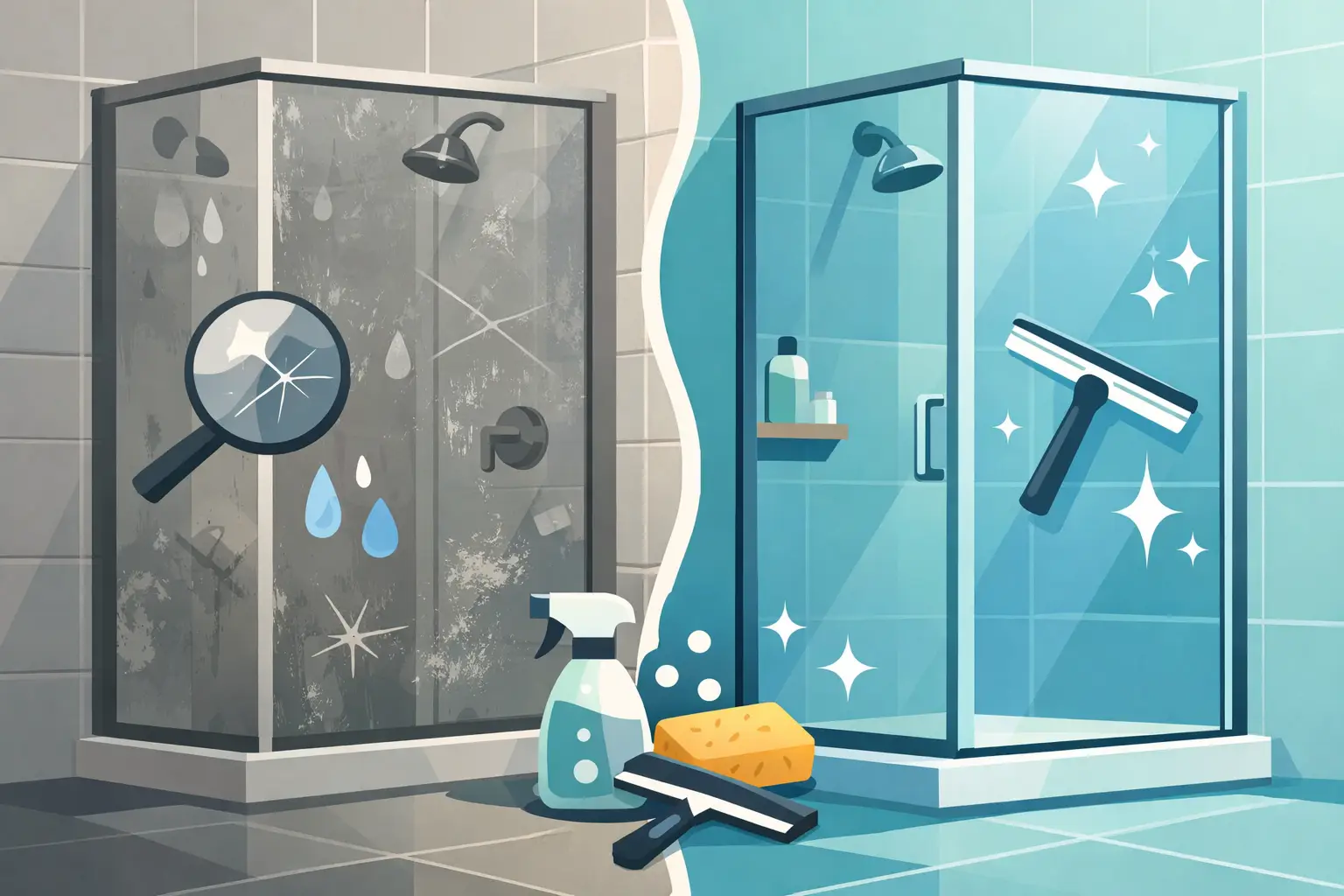
A shower can make the whole bathroom look neglected. Rust stains around the drain, cracked tile, dull walls, and a chipped base stand out every time you step inside. Damaged shower enclosure restoration gives homeowners a practical way to fix those problems without tearing out a working shower and rebuilding the room around it.
For many Florida homeowners, restoration is the better first question. Replacement can mean demolition, plumbing work, new tile, days of disruption, and a much larger bill. A professional refinishing job can restore the surface, improve the color, and make the enclosure easier to clean while keeping the existing structure in place.
What Counts as a Damaged Shower Enclosure?
A shower enclosure includes more than the walls you see. It may include the shower pan or base, tile walls, fiberglass or acrylic panels, grout lines, built-in shelves, and the surrounding trim. Damage can show up slowly, especially in a bathroom that gets daily use.
Common issues include chipped or cracked surfaces, worn finish, permanent-looking stains, yellowing, rust marks, dull fiberglass, and outdated colors. Hairline cracks and small chips can also collect moisture and soap residue. Left alone, they can become harder to clean and more noticeable.
Not every ugly shower needs to be replaced. If the enclosure is solid, the drain is working properly, and there is no major water damage behind the walls, restoration may provide the result you want at a fraction of renovation cost.
When Restoration Is the Smart Choice
Refinishing works best when the underlying enclosure is structurally sound but the surface has seen better days. A worn fiberglass shower base, dated tile surround, or stained cultured marble enclosure can often be repaired and coated for a fresh, uniform finish.
It is a strong option when you want a faster bathroom update. There is no need to choose new tile, wait for demolition crews, or deal with a pile of debris in the driveway. For homeowners preparing to sell, restoring a tired shower can also improve the bathroom’s appearance without overinvesting in a full remodel.
Color change is another reason homeowners choose refinishing. Almond, biscuit, pink, gray, and other older finishes can make a bathroom feel stuck in another decade. A clean white finish can brighten the room and work with new fixtures, paint, and hardware.
Restoration is not the right answer for every situation. A shower with active leaks, loose walls, extensive mold, major structural cracks, or water damage behind the enclosure needs repair work first. Coating over a failed substrate only hides the problem for a short time. A reputable restoration professional should inspect the condition and explain whether refinishing is a good fit.
How Professional Shower Restoration Works
A lasting result starts with prep work. The finish is only as good as the surface underneath it. That is why a professional job is more than applying a quick coat of paint.
First, the enclosure is cleaned to remove soap scum, body oils, mineral deposits, and old caulk. The surface is then prepared so the new coating can bond correctly. Chips, scratches, and small cracks are repaired, sanded, and leveled. Fixtures, floors, and nearby surfaces are masked off to keep the work area protected.
Next comes the coating process. Professional-grade materials are applied in controlled coats to create a smooth, even finish. The goal is not to make the shower merely look better for a few weeks. The goal is a durable surface that holds up to normal bathing, cleaning, and humidity.
Ventilation and curing matter. Florida bathrooms deal with heat and moisture, and rushing the process can affect the finish. Your technician should give you clear instructions on when the shower can be used again and how to care for it after restoration.
Repair Before Refinishing Makes a Difference
Small damage can make a shower look worse than it is. A chip on a fiberglass base or a crack near a corner may be highly visible, but it does not always mean the enclosure is beyond saving. Proper repair fills and stabilizes the damaged area before refinishing creates a consistent top surface.
The trade-off is simple. Cosmetic repairs are excellent for chips, scratches, stains, and surface wear. They are not a substitute for correcting movement in the walls, a failing shower pan, or plumbing leaks. If damage keeps returning in the same area, there may be a deeper cause that needs attention.
This is one reason an in-home evaluation matters. A good contractor does not promise restoration before looking closely at the enclosure. They check the condition, explain the repair plan, and set realistic expectations for the finish.
Why DIY Kits Often Fall Short
Do-it-yourself shower coating kits look affordable at first. They can be tempting when the shower is stained or outdated and you want a quick fix. The problem is that bathrooms are demanding spaces. Water, heat, cleaning products, and daily use quickly expose weak prep work or poor bonding.
Many DIY jobs fail because the surface was not fully cleaned, etched, repaired, or dried before coating. Brush marks, uneven sheen, peeling, and soft spots are common. Strong fumes and limited ventilation can also make the process unpleasant inside a home.
A professional restoration service costs more than a kit, but it provides better surface preparation, commercial materials, repair experience, and a cleaner finish. It also gives you someone accountable for the work. The Tub Guy stands behind qualifying refinishing work with a five-year warranty and a promise to make things right if there is an issue.
What Affects the Cost of Shower Enclosure Restoration?
The cost depends on the enclosure’s size, material, condition, and the amount of repair needed. A straightforward fiberglass shower base with light wear will usually require less work than a large tiled enclosure with multiple chips, heavy staining, and old caulk that must be removed.
Access can affect the price as well. Tight bathrooms, walk-in showers with several surfaces, and areas needing detailed repair take more labor. Color changes and specialty finishes may also change the estimate.
Even so, restoration is typically far less expensive than replacement because it avoids many of the biggest remodeling costs. You may not need demolition, disposal, new wall materials, tile installation, plumbing changes, or extensive labor from several trades.
The lowest estimate is not always the best value. Ask what preparation is included, how repairs are handled, what coating system will be used, how long the finish needs to cure, and whether the work is covered by a written warranty. Clear answers are a good sign that the contractor takes the result seriously.
Keeping a Restored Shower Looking Good
A refinished shower does not need complicated care, but it does need the right care. Use a non-abrasive cleaner and a soft sponge or cloth. Avoid harsh scouring powders, steel wool, and aggressive scrub pads that can dull or scratch the finish.
Rinse away soap residue after use when possible. Good bathroom ventilation helps control moisture and keeps mildew from building up around caulk lines. Fix dripping fixtures promptly. Constant water exposure in one spot can stain surfaces and weaken caulk over time.
If you use a bath mat in a shower base, choose one that does not use permanent suction cups unless your restoration professional says it is safe. Suction cups can stress a coated surface. Follow the care instructions you receive after the job, especially during the first days after curing.
A Better Bathroom Without a Full Remodel
A damaged shower does not have to force a complete renovation. When the enclosure is sound, professional restoration can repair visible damage, update the color, and give the room a clean, finished look without the mess of replacement.
The best next step is an honest inspection. Find out whether the damage is surface-level or a sign of a larger issue. If restoration is the right fit, you can spend less time living around a construction project and more time enjoying a shower that looks like it belongs in your home.