
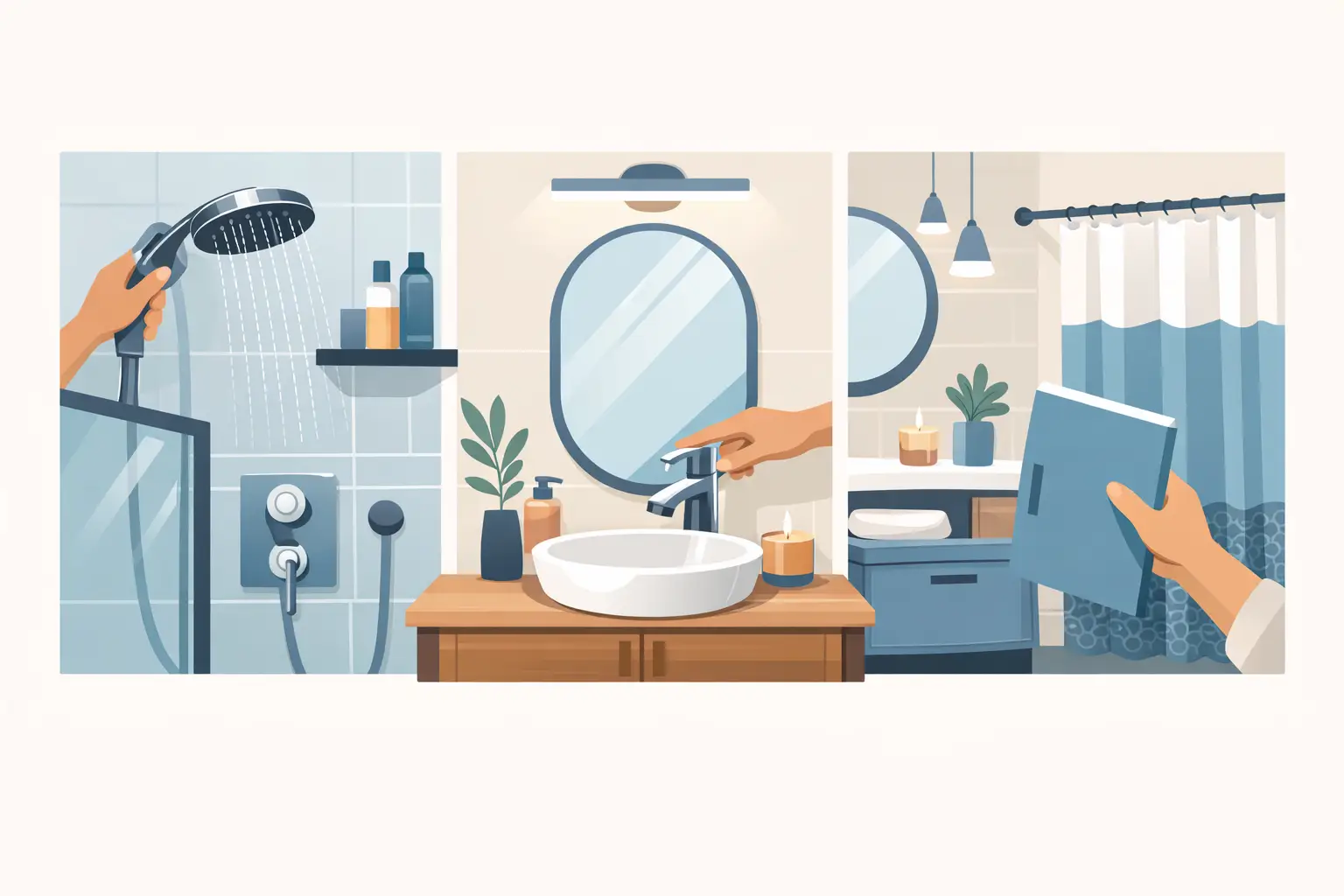
A stained tub can make the whole bathroom feel old, even when the room is clean. The good news is that bathroom upgrade options do not always mean ripping out tile, hauling away a tub, and living around a construction zone for weeks. For many Florida homeowners, the right surface repair or refinishing job delivers the biggest visible change with far less cost and disruption.
The best choice depends on what is actually wrong. A dated color is different from deep damage. A worn tub finish is different from a leaking shower or soft floor. Start by looking at the surface, the structure behind it, and how long you plan to stay in the home.
Bathroom Upgrade Options That Save Time and Money
A full remodel has its place. If plumbing is failing, the layout does not work, or there is water damage behind the walls, replacement may be necessary. But if the main issue is an ugly, chipped, stained, or outdated surface, restoration can be the smarter move.
Refinishing, reglazing, and targeted repair keep usable fixtures in place. That means no demolition, less mess, and no need to replace surrounding tile or plumbing just because the tub finish has failed. It is a practical option for homeowners who want a bathroom that looks clean and current without turning a simple update into a major project.
Refinish a Worn Bathtub
Bathtub refinishing is one of the highest-impact upgrades for an older bathroom. It can restore a tub with dull spots, discoloration, rust stains, chips, scratches, or an outdated color. A professional process repairs surface damage, prepares the fixture correctly, and applies a durable new coating.
This works especially well for cast iron, steel, fiberglass, and many acrylic tubs that are structurally sound. You keep the tub you already have, but lose the worn finish that makes it look tired.
Color change is another reason homeowners choose refinishing. A pink, avocado, beige, or worn almond tub can often be changed to a clean modern white. That single change can make existing wall tile and flooring look better than expected.
Refinishing is not the right answer for every tub. Cracks that go through the fixture, major flexing, or serious plumbing leaks need to be addressed first. A good contractor should tell you when repair is practical and when replacement makes more sense.
Restore Tile Instead of Replacing It
Old tile can be hard to live with. It may be stained, faded, chipped, or stuck in a color that dates the room. Replacing tile often means demolition, dust, new backer board, plumbing work, and a larger bill than homeowners planned for.
Tile refinishing offers another path when the tile is firmly attached and the surrounding walls are dry and stable. The surface can be professionally prepared and coated for a fresh, uniform look. It is often a strong option for shower walls, tub surrounds, and bathroom wall tile that is sound but unattractive.
Grout condition matters here. Loose tile, failing grout, or moisture getting behind the wall needs repair before refinishing. A new surface coating cannot solve a water problem behind the tile. It can, however, make a solid tile installation look dramatically cleaner and more current.
Repair Chips, Cracks, and Rust Early
Small damage has a way of becoming a bigger job. A chip in a tub coating can expose the surface underneath. Rust can spread. A crack in fiberglass can collect moisture and dirt while becoming more visible every day.
Professional repairs can stop the eyesore before it turns into a replacement decision. The repaired area is blended into the surrounding finish, then refinished when needed for a consistent appearance. This is useful for tubs, sinks, shower pans, and other bathroom surfaces with localized damage.
Do not count on a quick store-bought patch kit for a long-term result. Those kits can be useful for a temporary fix, but color matching, adhesion, and durability are common problems. Bathroom surfaces take daily wear from water, soap, cleaning products, and temperature changes. The prep work matters as much as the coating itself.
Upgrade the Shower Without Moving Plumbing
A shower does not need to leak to feel past its prime. Stained walls, worn fiberglass, outdated color, and a rough surface can make it unpleasant to use. Resurfacing can restore the shower walls or pan when the unit is intact and the issue is cosmetic or limited to surface damage.
This approach is also useful when the shower and tub are part of one molded unit. Replacing that unit can require removing doors, wall finishes, or even framing. Refinishing avoids much of that disruption while giving the space a clean, refreshed finish.
If you are considering a walk-in tub or accessibility update, look at the full picture first. A walk-in tub can improve safety and comfort, but it is a larger investment and may involve plumbing changes. If the current tub works well and the concern is appearance, refinishing may be the better first step. If stepping over the tub wall has become unsafe, accessibility should take priority over a cosmetic fix.
Pair Surface Restoration With Simple Visual Updates
Once the tub, tile, or shower is restored, smaller changes can carry the room the rest of the way. You do not need to replace everything at once. Focus on pieces that are easy to change and clearly visible.
A new faucet, updated vanity hardware, a framed mirror, and better lighting can make a restored bathroom feel intentional rather than patched together. Choose finishes that work with the fixtures you plan to keep. Brushed nickel, chrome, and matte black can all work, but mixing too many finishes in a small bathroom can look busy.
Paint also has a big effect. In many Florida bathrooms, soft white, warm gray, pale blue, or muted green can brighten the space without fighting the tile. Use bathroom-rated paint and make sure ventilation is doing its job. Fresh paint will not hold up well if steam and moisture stay trapped in the room.
Countertops and cabinets deserve a close look, too. If the cabinet boxes are solid but the finish is worn, resurfacing or refinishing may be more practical than replacement. A clean vanity area can make the whole room feel newer, even if the footprint stays exactly the same.
Know When Replacement Is Worth It
Surface restoration is a smart value when the fixture is sound. It is not a shortcut around structural problems. Water damage, recurring leaks, loose walls, major mold concerns, or a failed subfloor require a different level of repair.
Replacement may also be worth considering when the layout is the real problem. If the bathroom has no usable storage, the shower is too small for your needs, or plumbing must move anyway, a full remodel can be justified. The goal is not to avoid replacement at all costs. The goal is to spend money where it solves the problem.
Before choosing a contractor, ask what preparation is included, how damage is repaired, what cleaning products are safe afterward, and what warranty backs the work. A low price means little if the finish peels or the contractor disappears when there is a problem. The Tub Guy stands behind refinishing work with a five-year warranty and a commitment to correct issues if they arise.
Protect Your Bathroom Upgrade
A professionally refinished surface can last well when it is treated properly. Use non-abrasive cleaners. Avoid harsh acids, bleach-heavy products, and abrasive scrub pads unless your contractor specifically approves them. Do not use bath mats with suction cups on a refinished tub, since they can damage the coating over time.
Fix dripping faucets and poor caulk quickly. Constant water exposure around a damaged caulk line can create problems that have nothing to do with the finish itself. Good ventilation matters as well. Run the exhaust fan during showers and leave it on long enough to clear the moisture.
The right bathroom upgrade is the one that fixes what bothers you most without creating work you do not need. If the tub, shower, tile, or sink is structurally sound but looks worn out, restoring the surface can give you the clean, finished bathroom you want while keeping your budget and schedule under control.