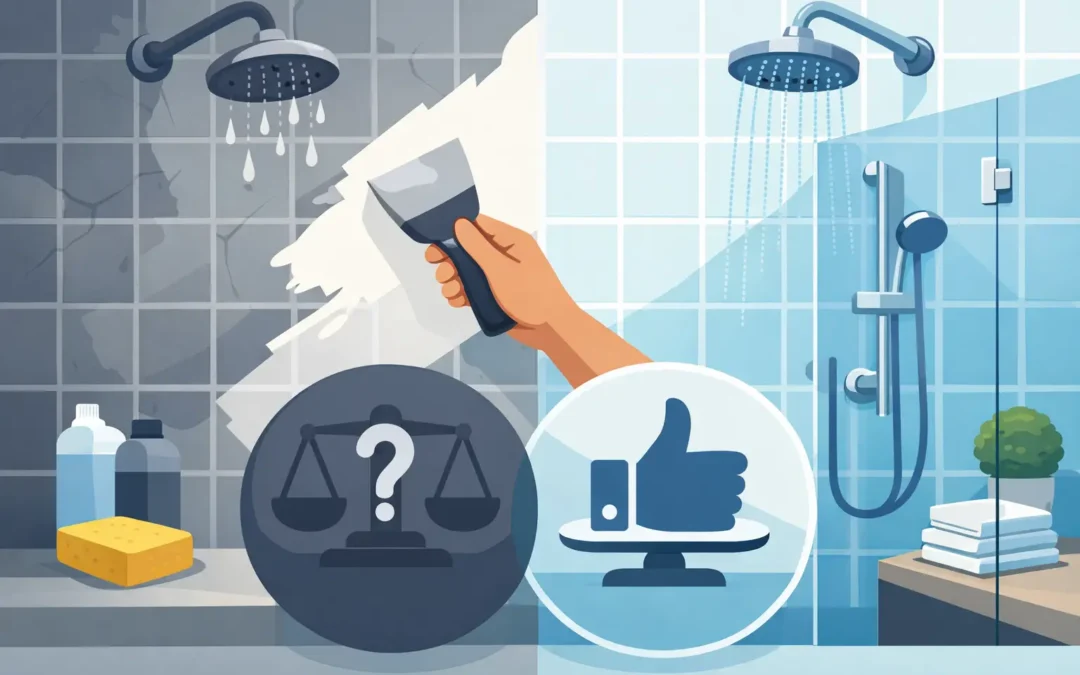
A shower can make the whole bathroom feel old. Not because the layout is wrong, but because the tile is stained, the color is dated, or the finish looks worn no matter how much you scrub it. That is usually when homeowners start looking at tile shower resurfacing. They want the shower to look clean and updated again, but they do not want to tear out tile, open walls, and turn the bathroom into a construction zone.
That is exactly where resurfacing makes sense. It is not magic, and it is not the right answer for every shower. But in the right situation, it can save a lot of money, cut down downtime, and give you a sharp, refreshed finish without full replacement.
What tile shower resurfacing actually does
Tile shower resurfacing is a professional refinishing process that restores the look of existing tile and surrounding shower surfaces. Instead of removing the tile, the surface is cleaned, repaired, prepped, and coated with a new finish. The goal is simple – make a worn shower look clean, uniform, and updated again.
This is different from regrouting, patching a few bad spots, or putting a temporary paint product over old tile. A real resurfacing job is built around adhesion, surface prep, and durable topcoats. If the prep is weak, the finish will be weak too. That is why workmanship matters.
For many Florida homeowners, the biggest appeal is avoiding demolition. No hauling debris through the house. No guessing what is hiding behind old tile. No long remodel timeline just to fix a shower that mostly works but looks rough.
When tile shower resurfacing is a smart choice
If your shower is structurally sound and the main problem is cosmetic, resurfacing is often worth a serious look. Stains, dull tile, outdated colors, light surface damage, and a tired-looking finish are all common reasons to choose refinishing.
It also makes sense when the shower still functions well. Maybe the tile is solid, but the color locks the bathroom in another decade. Maybe hard water staining has built up over the years. Maybe the shower pan or walls have chips and wear that make the whole space feel neglected. In those cases, resurfacing can deliver a major visual improvement without the cost of rebuilding the shower.
Homeowners often choose it when they are getting ready to sell, updating a rental, or improving a bathroom without spending remodel money. It is also a good option when you want a color change. A darker, dated tile can often be resurfaced to a cleaner, brighter look that helps the room feel larger.
When resurfacing may not be the right fix
This is where honesty matters. Not every shower should be resurfaced.
If the tile is loose, the walls have water damage, there is major mold behind the system, or the shower is failing structurally, replacement is usually the better move. Resurfacing is a finish solution, not a fix for rotten backing, bad leaks, or serious movement in the walls.
The same goes for showers with widespread broken tile or major grout failure that points to bigger substrate issues. A professional should inspect the condition first. If the foundation underneath the surface is compromised, coating over it is just delaying the real repair.
A good contractor will tell you where resurfacing stops making sense. That is a good sign, not a sales problem.
The biggest benefits of tile shower resurfacing
The first benefit is cost. Full shower replacement gets expensive fast. Demo, disposal, new tile, plumbing adjustments, waterproofing, and labor can push the total far beyond what many homeowners planned to spend. Resurfacing usually costs far less because you are keeping the existing structure in place.
The second benefit is speed. A replacement project can drag on. Resurfacing is much faster, which means less disruption to the household. If you have one main bathroom, that matters.
The third benefit is appearance. A professionally resurfaced shower can look dramatically cleaner and newer. The finish is uniform. The color can be updated. Old stains and worn spots are covered. It gives the bathroom a more cared-for look without ripping the room apart.
There is also less mess. That matters more than people think. Most homeowners are not excited about days of dust, noise, debris, and strangers moving in and out of the house for a long remodel.
What the process usually looks like
A proper resurfacing job starts with cleaning and surface prep. This is the part that determines whether the finish lasts. Soap scum, hard water buildup, body oils, and residue have to be removed. Any chips, cracks, or rough areas need repair. The surface is then etched or prepared so the new coating can bond correctly.
After prep, the shower is masked off to protect surrounding areas. Then the new coating system is applied. Depending on the condition of the shower and the materials involved, the contractor may use bonding agents, primers, and specialized topcoats designed for wet environments.
Once the finish cures, the shower is ready for use based on the contractor’s timeline. That cure time matters. Using the shower too early can damage the new finish before it has fully set.
This is one reason DIY kits often disappoint. The product may promise a fast upgrade, but most failures come down to poor prep, weak materials, or applying a coating that is not built for long-term shower use.
How long does a resurfaced shower last?
It depends on the condition of the original shower, the quality of prep, the products used, and how the surface is maintained after the job. A professionally done resurfacing job should hold up well when the shower is cared for properly.
Maintenance is straightforward, but it matters. Use non-abrasive cleaners. Skip harsh scrub pads. Do not leave bottles, bars of soap, or metal shaving cans sitting on the surface for long periods. Keep the shower reasonably clean so buildup does not sit and attack the finish.
Good resurfacing companies will explain this clearly. They should also stand behind the work. A real warranty adds confidence because it shows the company expects the finish to last and is willing to correct issues if needed.
Tile shower resurfacing vs. replacement
This choice usually comes down to budget, condition, and goals.
If you want a full redesign, need to move plumbing, or have hidden water damage, replacement is often the right call. It gives you a clean slate, but it also brings higher costs, longer timelines, and more disruption.
If you want the shower to look newer, cleaner, and more current without tearing the room apart, resurfacing is often the better value. It solves a different problem. It is not about rebuilding. It is about restoring what you already have when the base is still usable.
For many homeowners, that is the sweet spot. They do not need a luxury renovation. They need the bathroom to stop looking worn out.
What affects the cost
Size matters. Condition matters more. A shower with heavy staining, chips, failed caulk, or difficult prep work will usually cost more than one that just needs a cosmetic refresh. The type of tile, access to the space, and whether other surfaces are being refinished at the same time can also affect the price.
That is why phone quotes only go so far. A real estimate should account for the actual condition of the shower. A low price that ignores prep and repairs can get expensive later if the finish fails.
For homeowners weighing the numbers, the better question is not just what resurfacing costs. It is what it saves compared to replacement, and what kind of result you are getting for that money.
Choosing the right company for tile shower resurfacing
Do not shop this service on price alone. Ask how they prep the surface. Ask what kind of coating system they use. Ask how long the shower needs to cure before use. Ask what the warranty covers.
Photos help. Reviews help too. You want proof that the company has done this work before and knows how to handle wet-area surfaces the right way. Bathroom refinishing is specialized work. A contractor who treats it like basic paint work is a risk.
This is where a company like The Tub Guy stands out. Homeowners want more than a fresh finish. They want a company that shows up, does the prep right, and stands behind the work if something needs attention later.
The bottom line for busy homeowners
If your shower is ugly but still sound, tile shower resurfacing can be one of the smartest bathroom upgrades you can make. It is faster than replacement, less disruptive, and usually far more budget-friendly. The finish can dramatically change how the whole bathroom feels.
Just make sure you are solving the right problem. Cosmetic wear is a good resurfacing job. Structural failure is not. Get an honest assessment, choose a company that knows this work, and do not cut corners on prep.
A tired shower does not always need to be torn out. Sometimes it just needs the right hands on it.